Behind the Lens: Photographing Australia’s Heritage Artisans

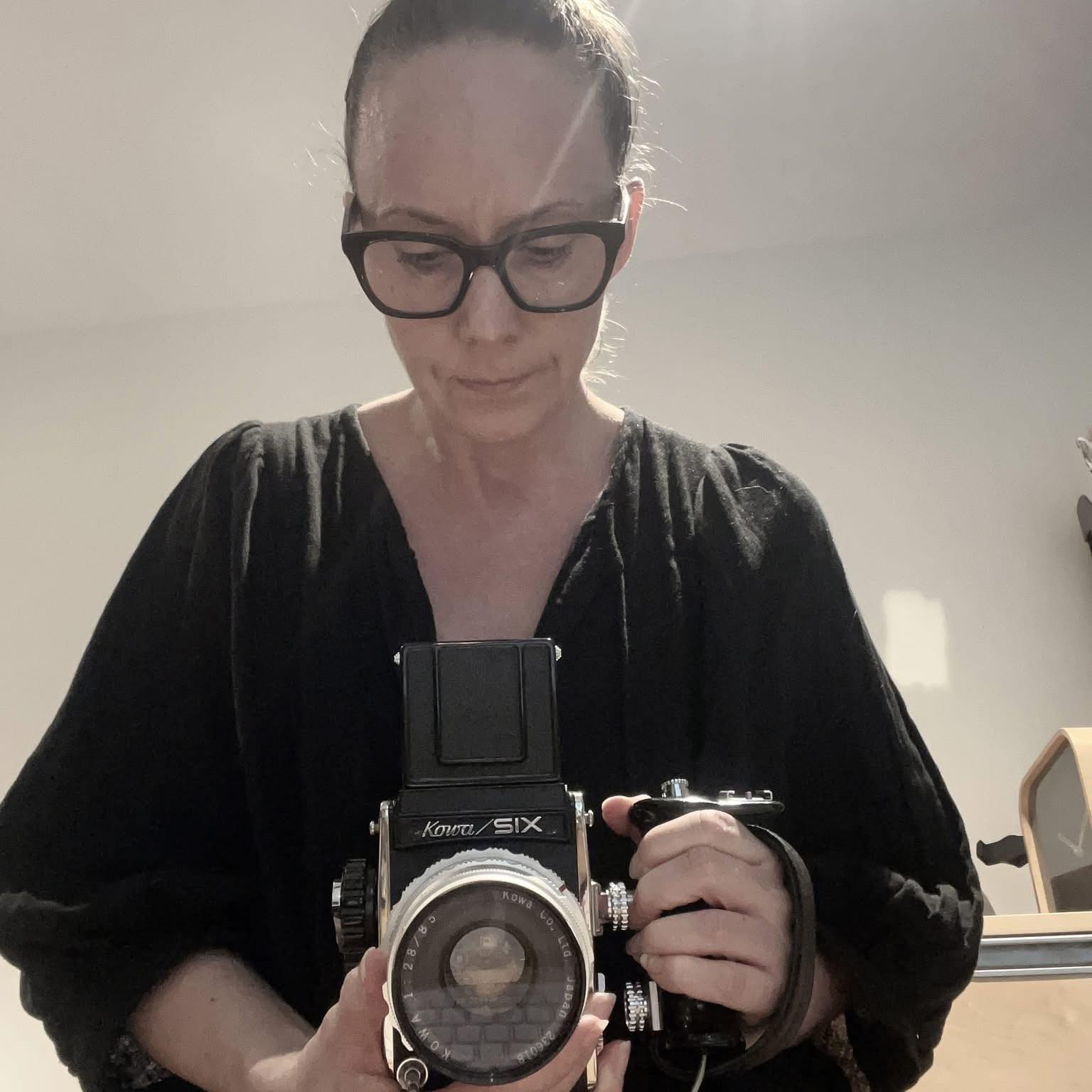
Every artisan has a rhythm. Some work in soft, meditative movements – the slow fold of paper fibres, the patient turning of thread, the gentle brushing of pigment. Others move with intensity and precision, shaping metal, carving timber or pulling dyes from botanical materials. When I step into an artisan’s workspace with my Nikon D850 in hand, my job is to find that rhythm – and translate it into images that feel as alive as the craft itself.
Behind the Lens is the heart of Heritage Hands: the process of entering these intimate, often unseen spaces and capturing not just what artisans make, but how they make it, why it matters, and who they are.
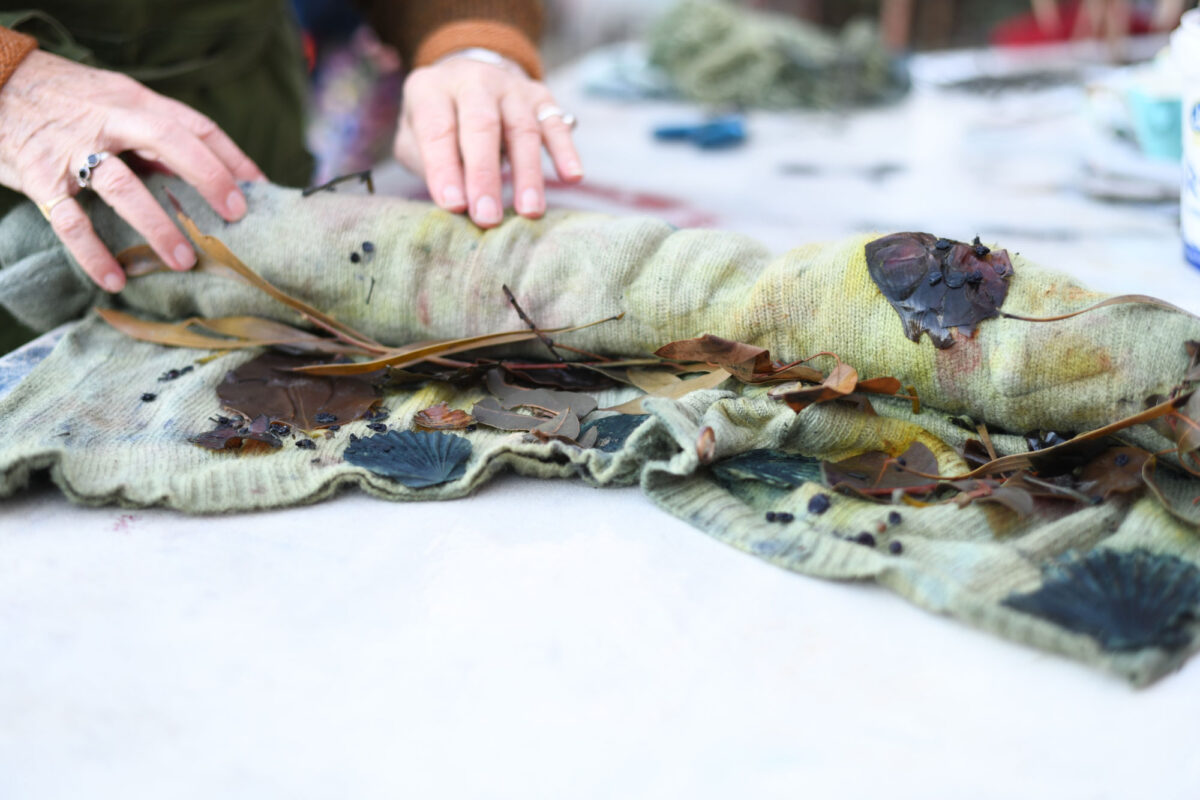
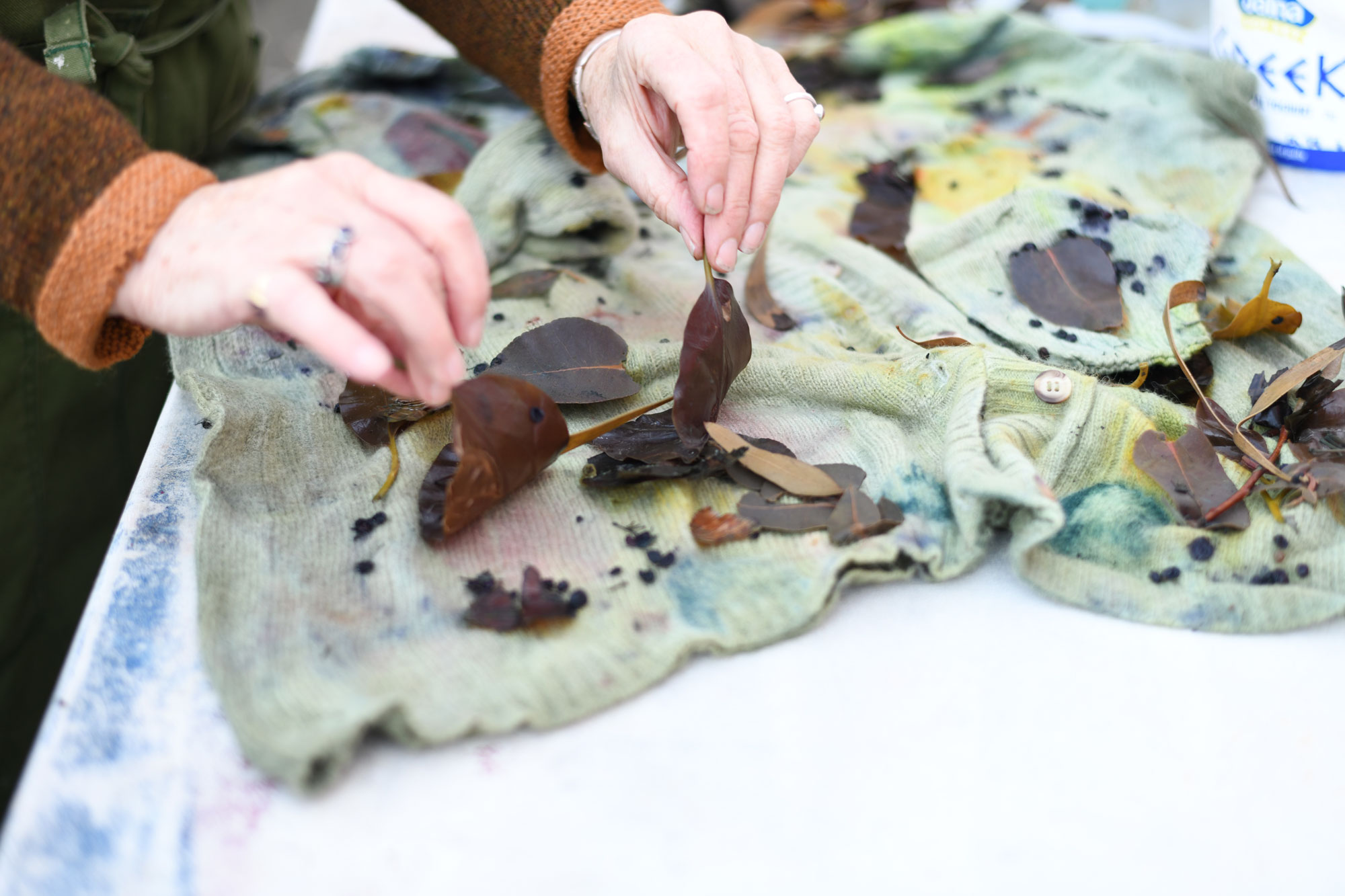
Photographing heritage crafts is unlike any other type of photography. It requires patience, curiosity and deep respect. Many crafts are slow by nature. A bookbinder might prepare materials days before I return to capture the next step. Natural dyeing unfolds across hours. Wig-making requires micro-movements almost invisible to the naked eye. To document these processes truthfully, I often shoot across multiple visits, allowing the craft to dictate the pace rather than the camera.
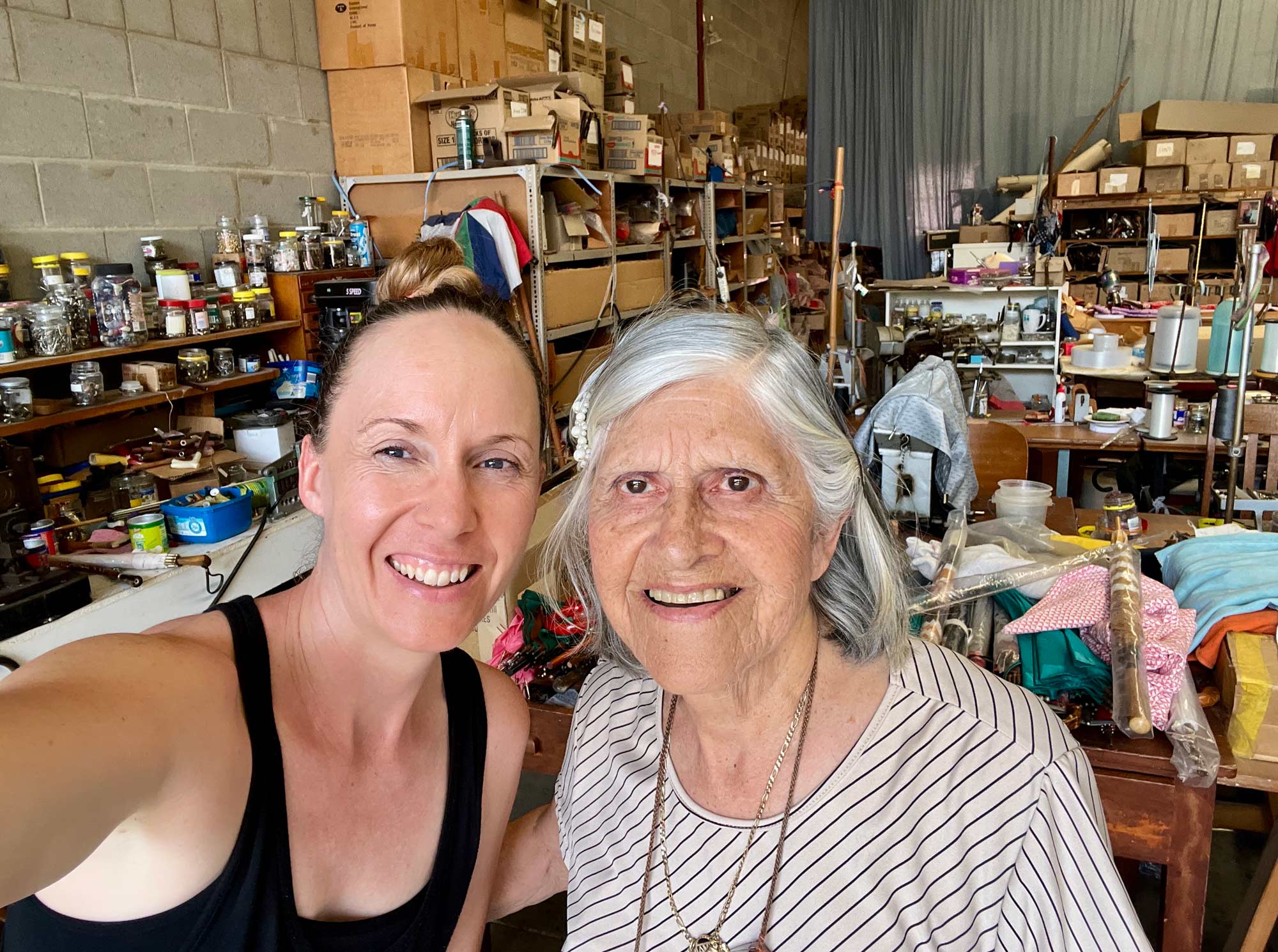
One of the greatest challenges, and joys, is working with light in real, lived-in studios. These are not staged environments or polished sets. They are working spaces, full of tools, textures, dust, stories and history. A window becomes the softest key light. A bench lamp becomes an intimate highlight. Shadows become part of the mood, reflecting the depth and age of the craft itself. This is where the lenses pull focus into the tiny details: fingertips burnished with pigment, thread tension between two hands, the grain of old timber workbenches.
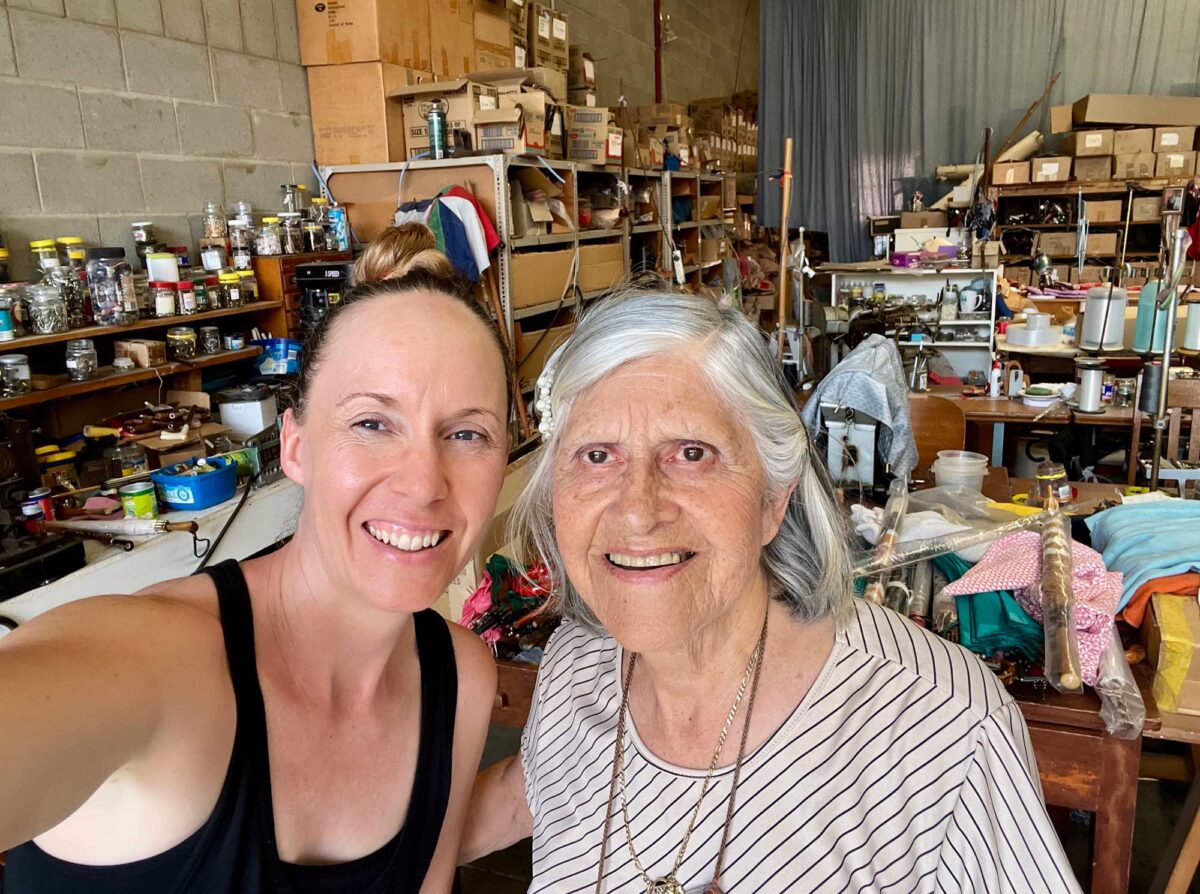
But photographing artisans is not only about technique. It is about trust. Before the first frame, there is always a conversation – sometimes minutes, sometimes hours – that opens a door into their world. We talk about who taught them, why they chose their path, what it feels like to carry a craft that fewer and fewer people practice. These moments shape every image. When artisans feel seen and respected, they let me witness the real rhythm of their work.
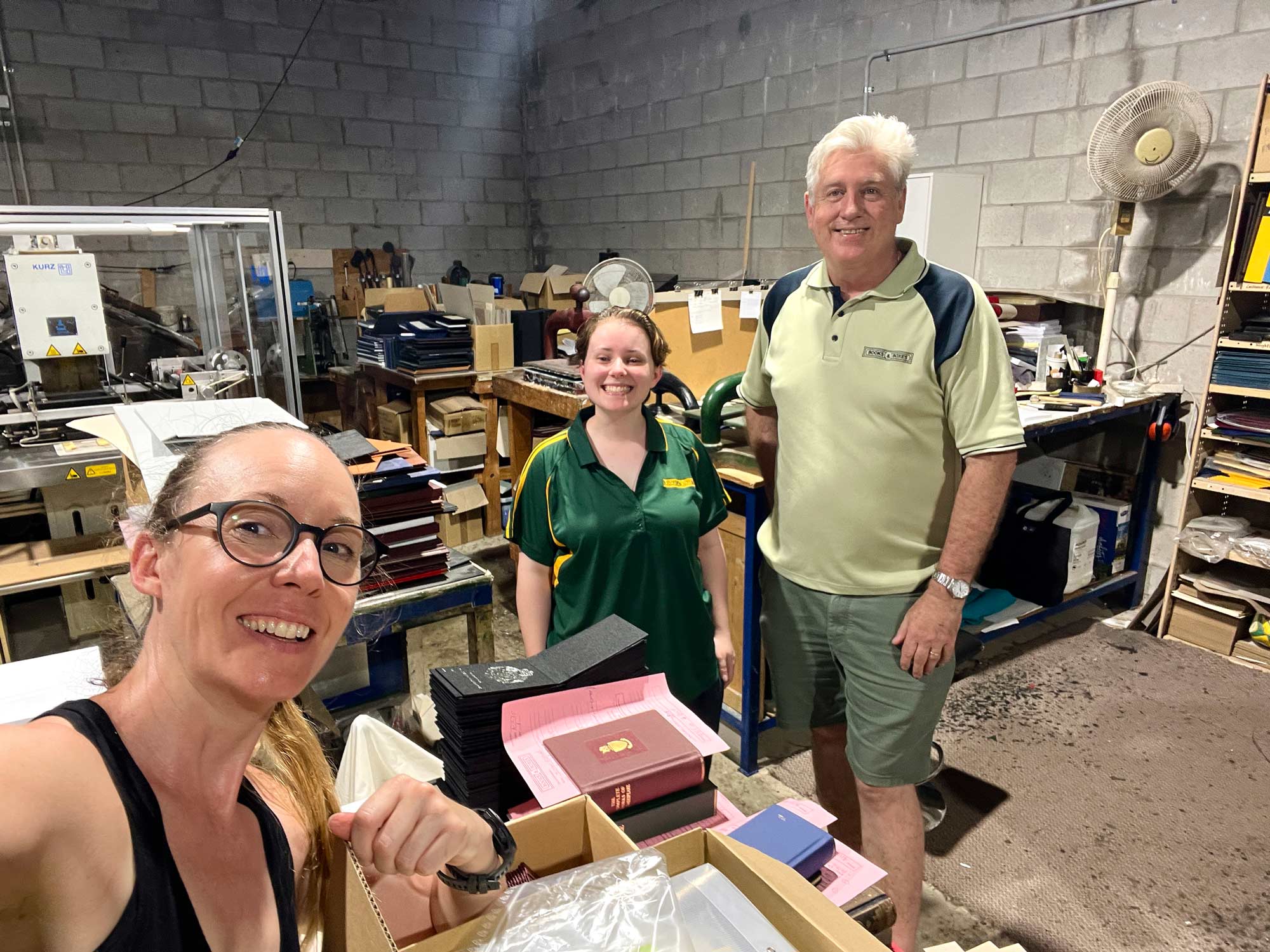
There is also a responsibility: the photographs in Heritage Hands are not merely aesthetic. They are documentation. For some crafts and trades, this may be one of the last thorough visual records of how a technique is practiced today. The hands photographed now may one day represent a lineage that no longer exists in the same form. That weight is something I carry into every shoot.
Across the project, what I’ve found most powerful is how universal the stories are. Whether an artisan grew up immersed in a family tradition or discovered their craft after years in another career, every maker shares a love for creating something that lasts. Something that connects generations. Something that reflects culture, identity, memory, and pride.
Behind the lens, my role is simply to honour that. To take a craft that most people will never witness up close and give them a window into its beauty. To slow the viewer down long enough to appreciate the skill and humanity embedded in every stitch, cut, fold, twist and note.
As the exhibition approaches in February 2026, and as the first book begins to take shape, these images are becoming more than documentation. They’re becoming a record of Australia’s living heritage – a visual archive of makers whose knowledge, care, and creativity deserve to be celebrated, protected and shared.
And I hope that when people see these photographs, they feel what I feel in the studio: admiration, awe, tenderness, and the quiet understanding that craft is culture – and culture lives through people.