
Heritage Hands: Celebrating Australia’s Endangered Crafts

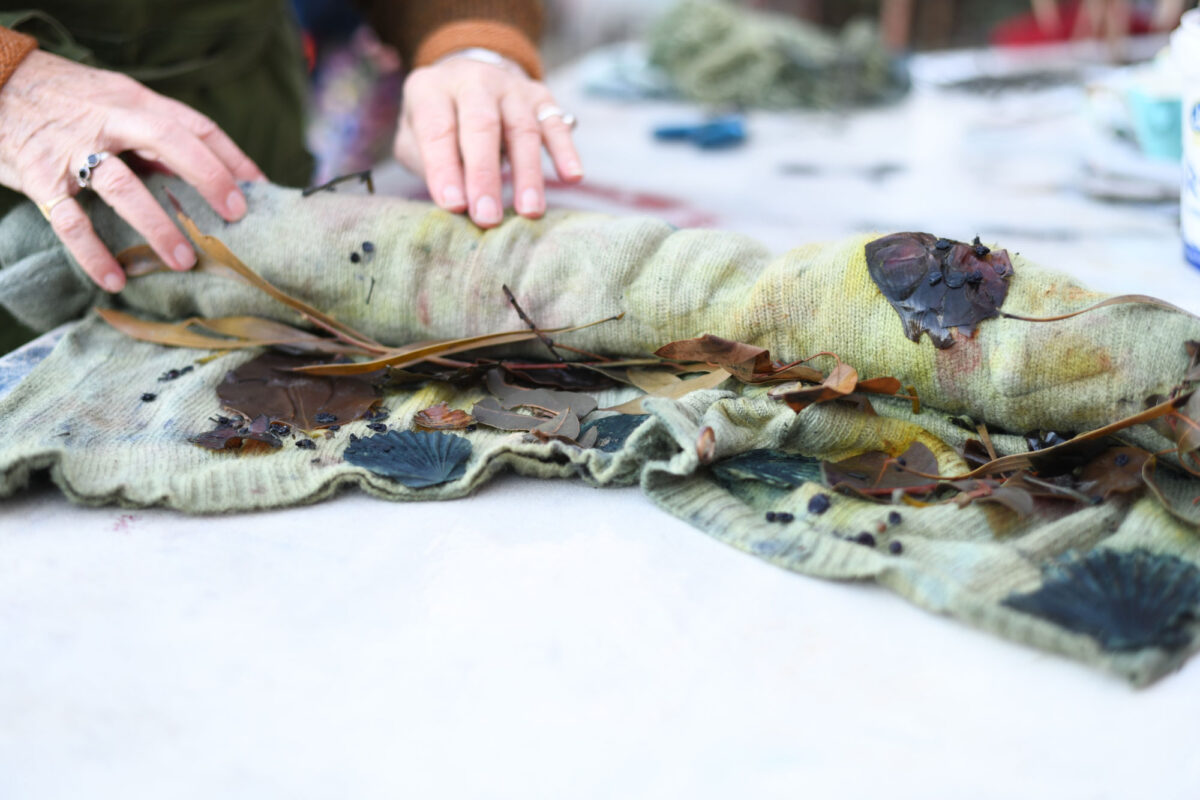
Heritage Hands was born from a simple but compelling idea: if we don’t document our living artisans now, their knowledge, stories, and techniques risk disappearing forever. Across Australia and around the world, the crafts that once threaded communities together – bookbinding, natural dyeing, wig-making, weaving, luthiery, toolmaking – are increasingly rare. Yet the people who carry these traditions are still here, still practicing, still passionately teaching. They just need to be seen, recorded, honoured and celebrated.
This project exists to do exactly that.
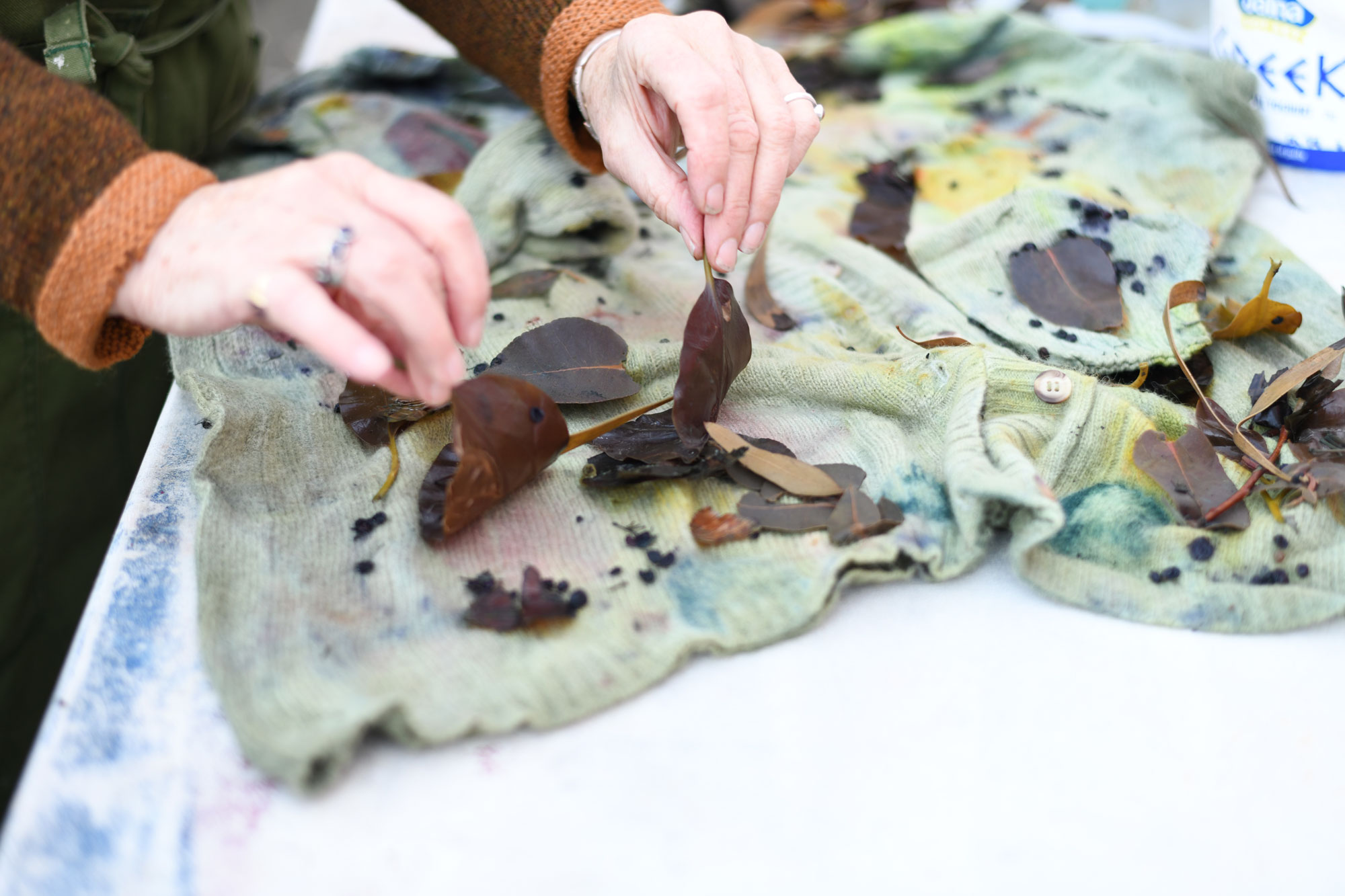
Heritage Hands is a photographic and storytelling initiative that documents artisans whose crafts sit at the edge of cultural memory. Through long-form interviews, studio visits, process photography, and thoughtful exhibition, the project captures the skill, dedication, and quiet mastery behind each craft. It also recognises that craft is not merely technical – it is cultural, historical and deeply human. Every maker holds an inherited lineage: from the families who taught them, to the mentors who guided them, to the cultural and geographical landscapes that shaped their practice.
The project unfolds (initially) over two major stages.
Stage 1 leads to a solo photographic exhibition at Et Al Gallery in Sandgate in February 2026, accompanied by a limited-edition Volume 1, an abridged art book profiling up to eight artisans.
Stage 2, underway throughout 2026, expands into a full 18–24-artisan publication for Volume 2, embracing a wider array of cultural traditions – including First Nations makers and artisans whose heritages span the globe.
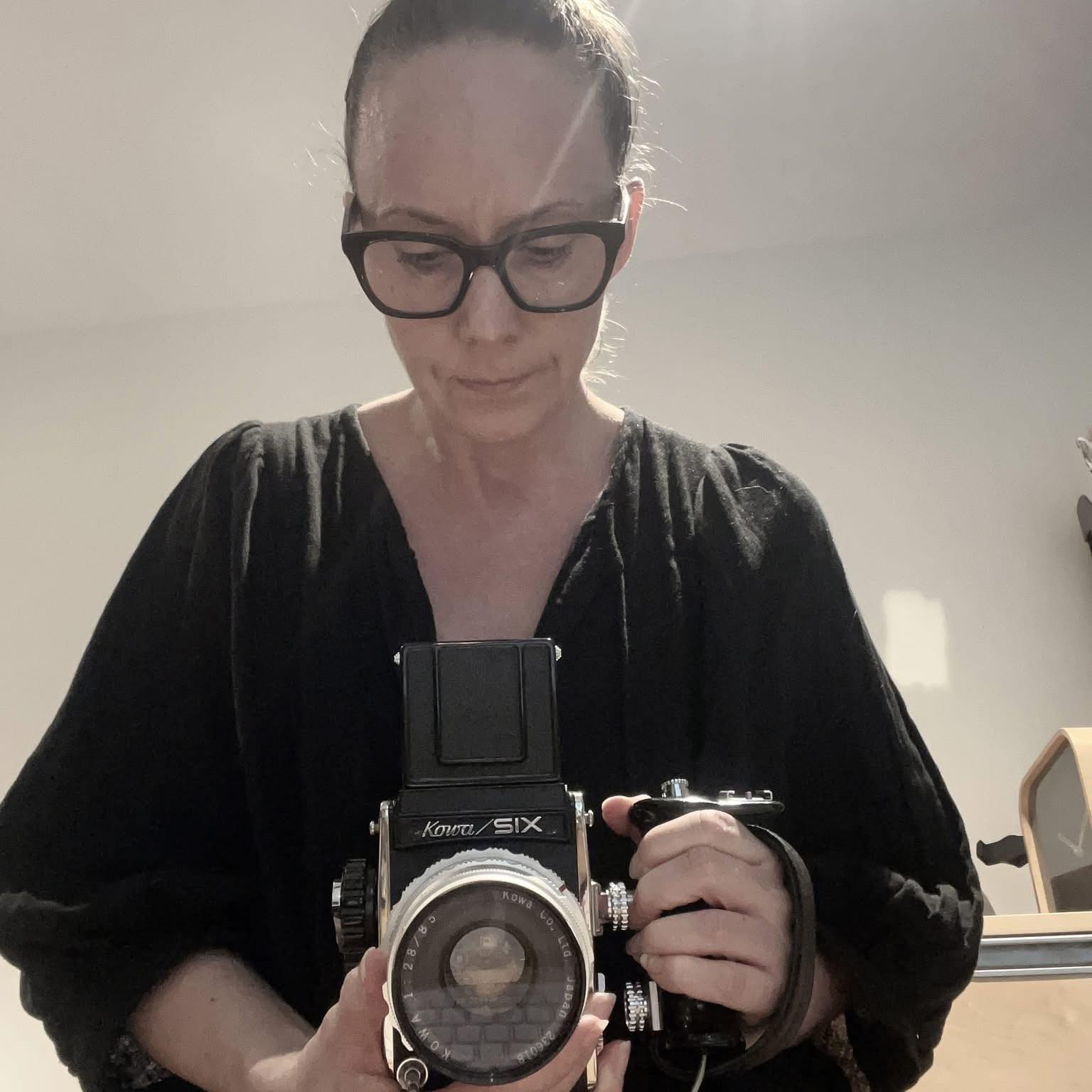
Behind the camera is photographer and creative producer Melissa Hoedel, whose own career has woven together art, corporate leadership, community projects, and cultural storytelling. Heritage Hands draws on this full circle – the artist who stepped into the corporate world and returned with the skills, networks and strategic understanding to elevate the stories that matter.
What makes the project distinct is its approach. It is not a fast documentary capture. Each artisan is visited more than once. Interviews unfold slowly, often over cups of tea or while hands work. Photographs are taken across multiple phases of making, honouring not just the finished object but the gestures, textures, rhythms and rituals of the craft itself.
The result is a body of work that celebrates both craft and character – a record of the hands, faces, studios, tools and stories of those preserving rare traditions in a contemporary world.
Heritage Hands is also built with community at its core:
- artisan partnerships
- sector support from organisations
- upcoming grant-supported expansions
- opportunities for schools, audiences and cultural groups
- a growing platform for both physical and digital storytelling
By sharing these stories widely, the project hopes to inspire a new generation of makers, encourage public appreciation for slow craft, and strengthen understanding of the cultural value artisans bring to our shared heritage.Most of all, Heritage Hands is an act of honouring – a way of saying: this matters, and it must not be forgotten.